
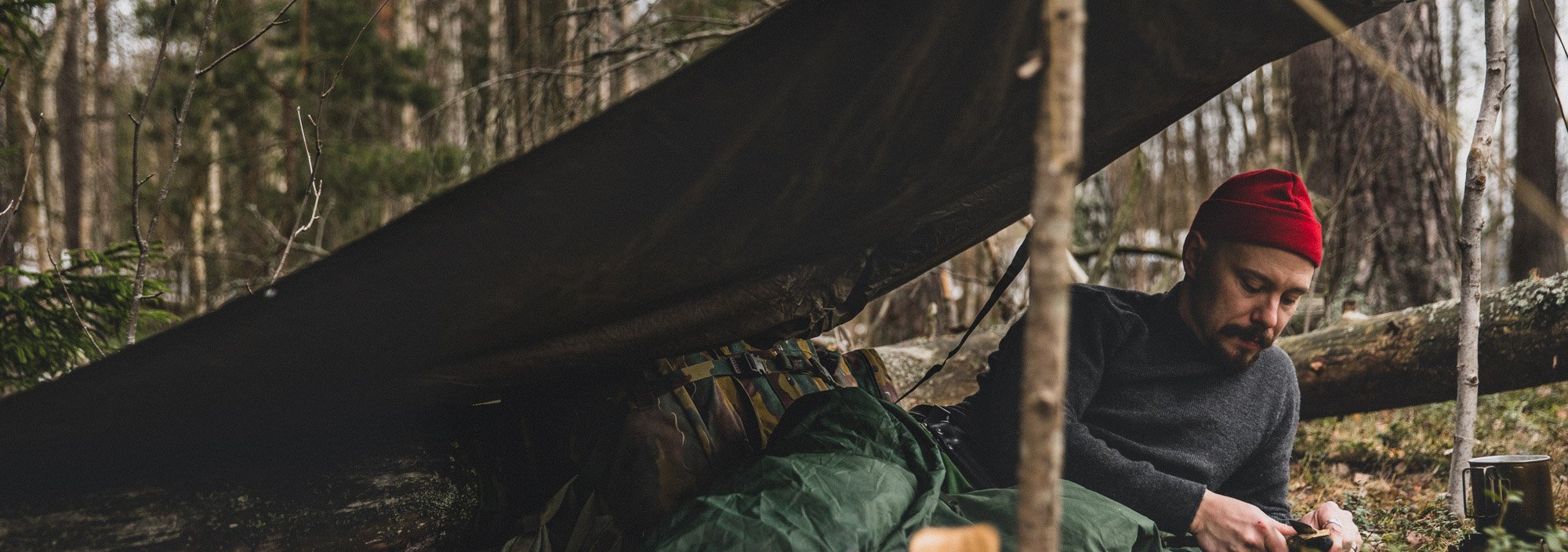
A tarp shelter, camping tarp, backpacking tarp, the same thing under many names. In this category, you’ll find both modern lightweight tarps and military surplus tarps, as well as othe... Read more
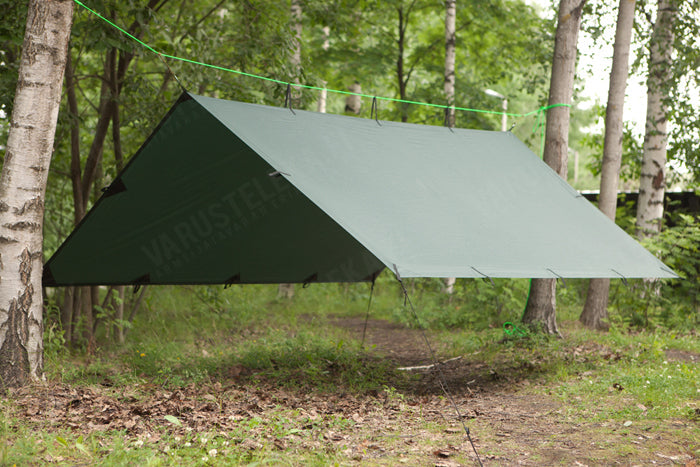
DD Hammocks 3x3 Tarp, Olive Green
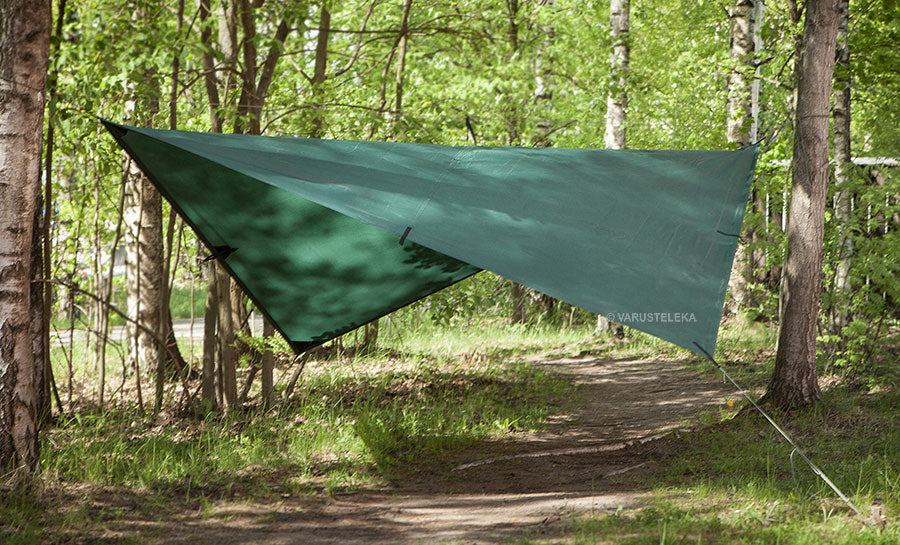
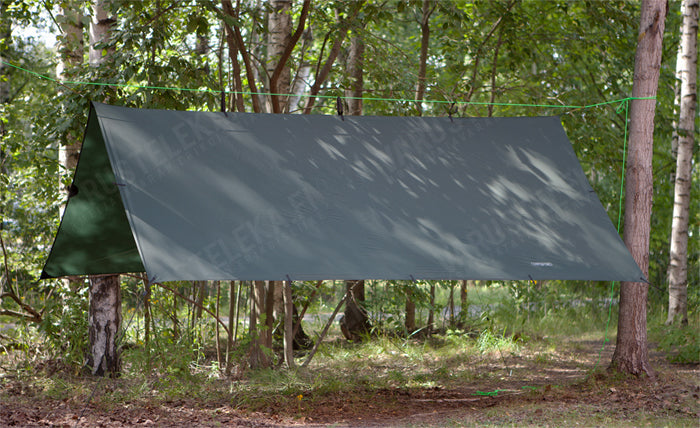
DD Hammocks SuperLight Tarp

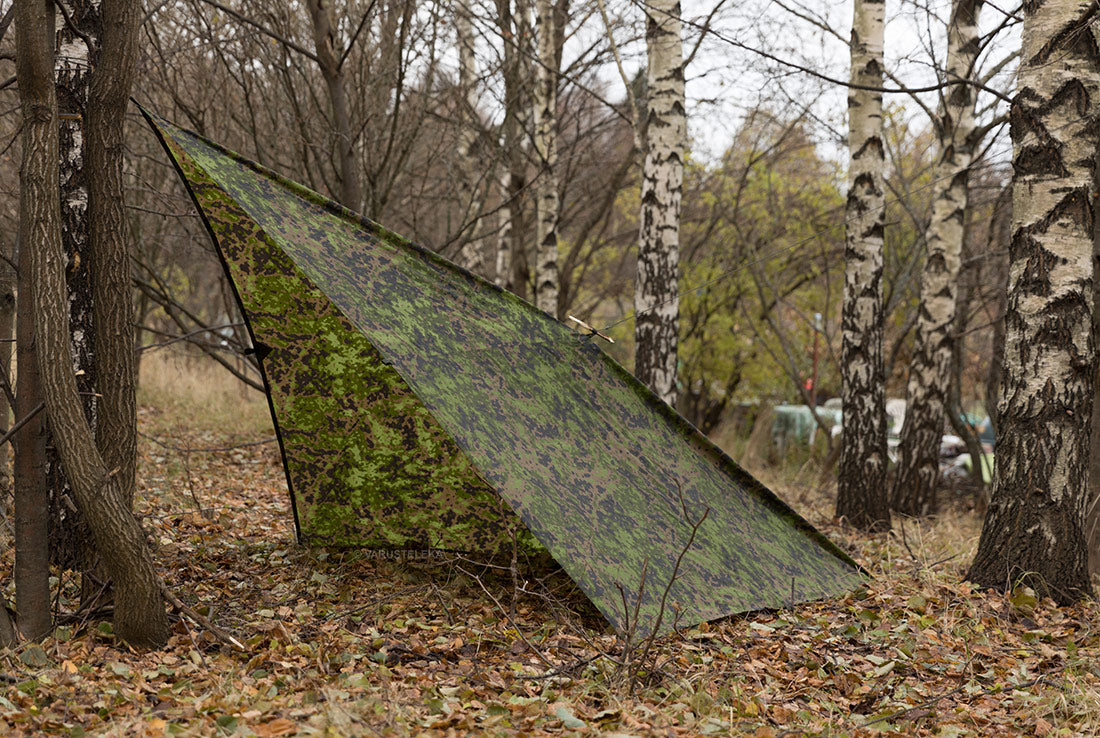

Varusteleka Tarp
Popular items
Recently viewed
A tarp shelter, camping tarp, backpacking tarp, the same thing under many names. In this category, you’ll find both modern lightweight tarps and military surplus tarps, as well as other open shelters whenever we have milsurp stuff.
If you fancy a lighter backpack and are not afraid of monsters that lurk in the dark, a tarp shelter might be your thing. We have both new bushcraft tarps and used army surplus tarps, and they both have their uses. If you prefer to sleep in a tent, don’t close this page yet. A tarpaulin is also a fantastic additional shelter for your camp kitchen and living room, as long as you keep the sparks away from it. When the sky keeps falling for the fifth day in a row, you won’t need to huddle in the tent all the time.
Modern hiking and military tarps
Modern military, hiking, and bushcraft tarps are light and take very little space when packed. They dry easily and are easy to set up. They also come in many sizes. An ideal choice for weight-conscious hikers. You can set up a tarp in many ways. Click on the images of various products in this group, and you’ll get good tips for different setups. The basic idea is that the campers and their stuff stay as dry as possible.
Army tarps, surplus
Smelly, heavy, ugly, yet ever so wonderful. Old army tarps combine the bad characteristics of a tent and a modern tarp, but they do take you on a fantastic journey back in time. Finnish long-range recon troops slept under tarps in all kinds of weather during WWII. Tarp shelters were also used by many hunters and trappers in the old days. Modern armies, of course, have these in more advanced materials. However, sometimes we get lucky and get the good old stuff. Put on your trusty lumberjack jacket, surplus backpack and follow the call of the wild. You will sleep beautifully on a soft mossy bed listening to sweet songs of the wilderness.
Frequently asked questions about tarps
How do I know that a tarp is waterproof?
Check the waterproof rating. Waterproof ratings are measured in millimeters (mm) and indicate the amount of water pressure a fabric can withstand. The larger the number, the more waterproof it generally is. Over 5,000 mm is considered a very waterproof tarp for stormy rain. However, also check that the seams are taped. Otherwise, the fabric will guide the water to the seams, and those traitorous bastards let it all through.
What tarp size is best for my needs?
The tarp size selection depends on how many people sleep under it, what type of shelter you use it for, how much gear you have, and how much space you want between sleepers. So, it is impossible to give you an exact answer without writing an essay. Here’s a quick and dirty answer:
- 2.5 x 2.5 m (c. 8x8 ft.): Solo backpacking
- 3 x 3 m (c. 10 x 10 ft): 2-person backpacking or solo backpacking with a hammock
- 4 x 4 m (c- 13 cx 13): Up to 4 people backpacking or 2 with a hammock
Is a tarp suited for winter camping?
Depends on the winter, the wind, and your comfort level. Tarps aren’t nearly as stormproof as 4-season tents, so don’t use them in the open mountains or other very windy places. They will let in wind and snow if the wind changes direction, and your body heat will not warm up an open space, so it will get a lot colder in the tarp than inside a tent. With a proper winter sleeping bag and a good sleeping pad, it is doable. However, you should really know what you’re doing.